FOUND
Interpreting Nature to Locate Those Who We Are Missing
Over 130,000 persons are reported as disappeared in Mexico. Behind each case there is a family searching for answers. FOUND works at the intersection of frontier technology and the lived knowledge of search groups, driving systemic change and building institutional capacity to improve how governments respond to disappearance.
Explore our journeyOur journey, milestone by milestone
From the first experimental site in Guadalajara to platforms now running inside national search commissions — the milestones that brought FOUND here, and what comes next.
Drag, scroll or use the arrows to travel through the timeline · Tap a year to jump
Watch the Trailer
The story of families, science, and the search for those who are missing.
Technologies in Action
- Multispectral & Hyperspectral Imaging
- Airborne LiDAR
- Seismic Noise Interferometry (TIRSA)
- Electrical Resistivity Tomography, Conductivimetry
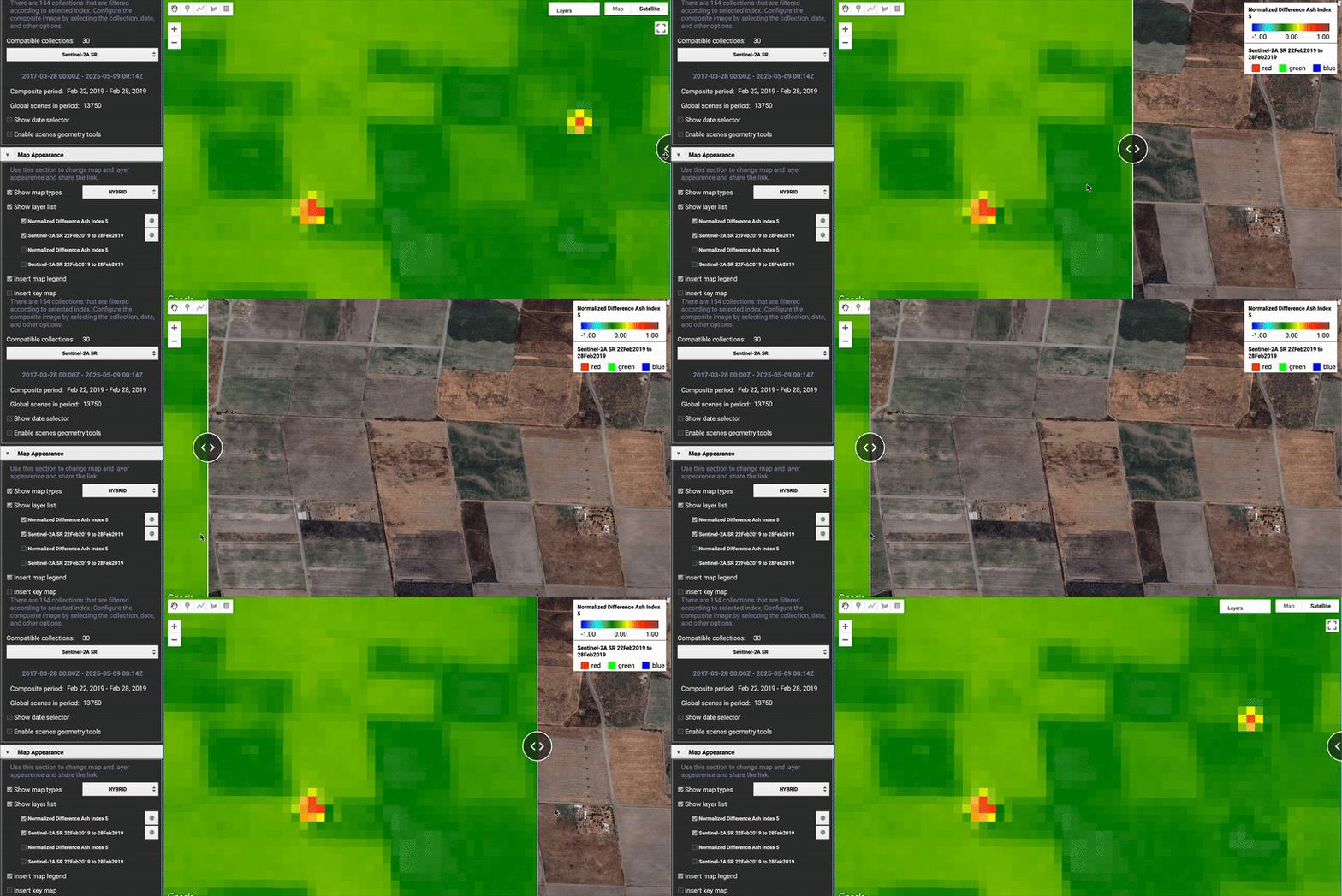
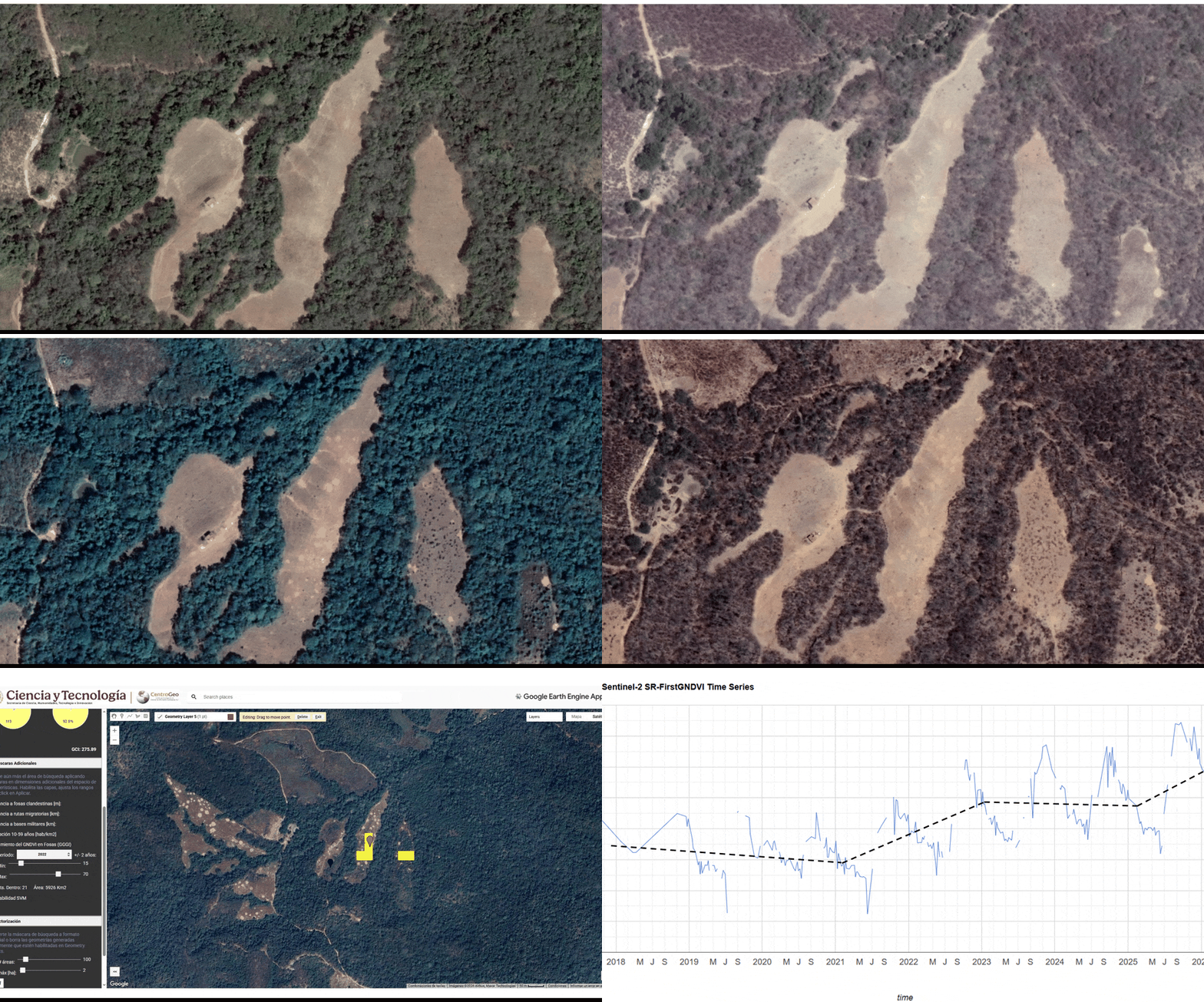
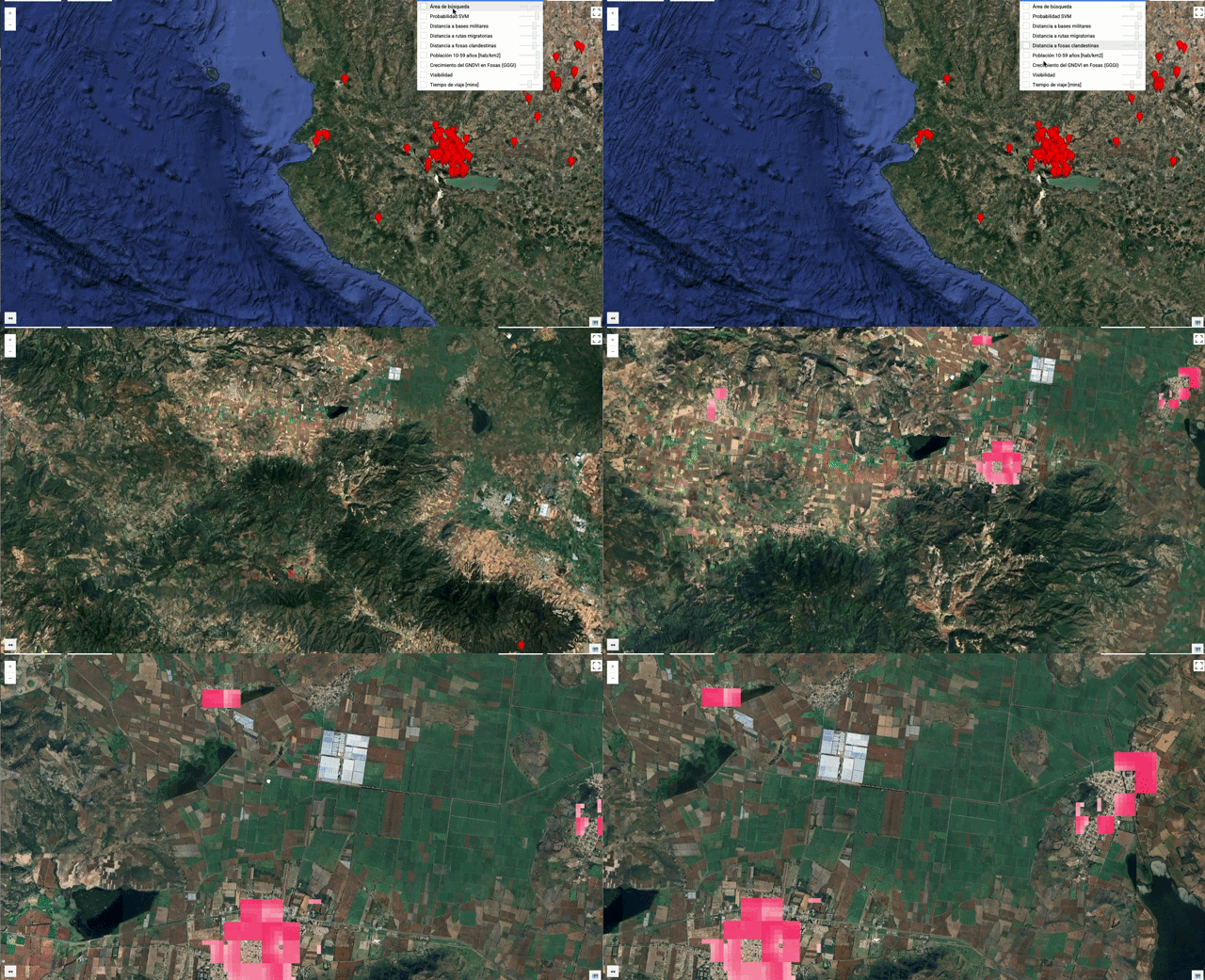
- Satellite Spectral Analysis
- Machine Learning
- Forensic Entomology, Botany, Territorial Analysis, Soil Science


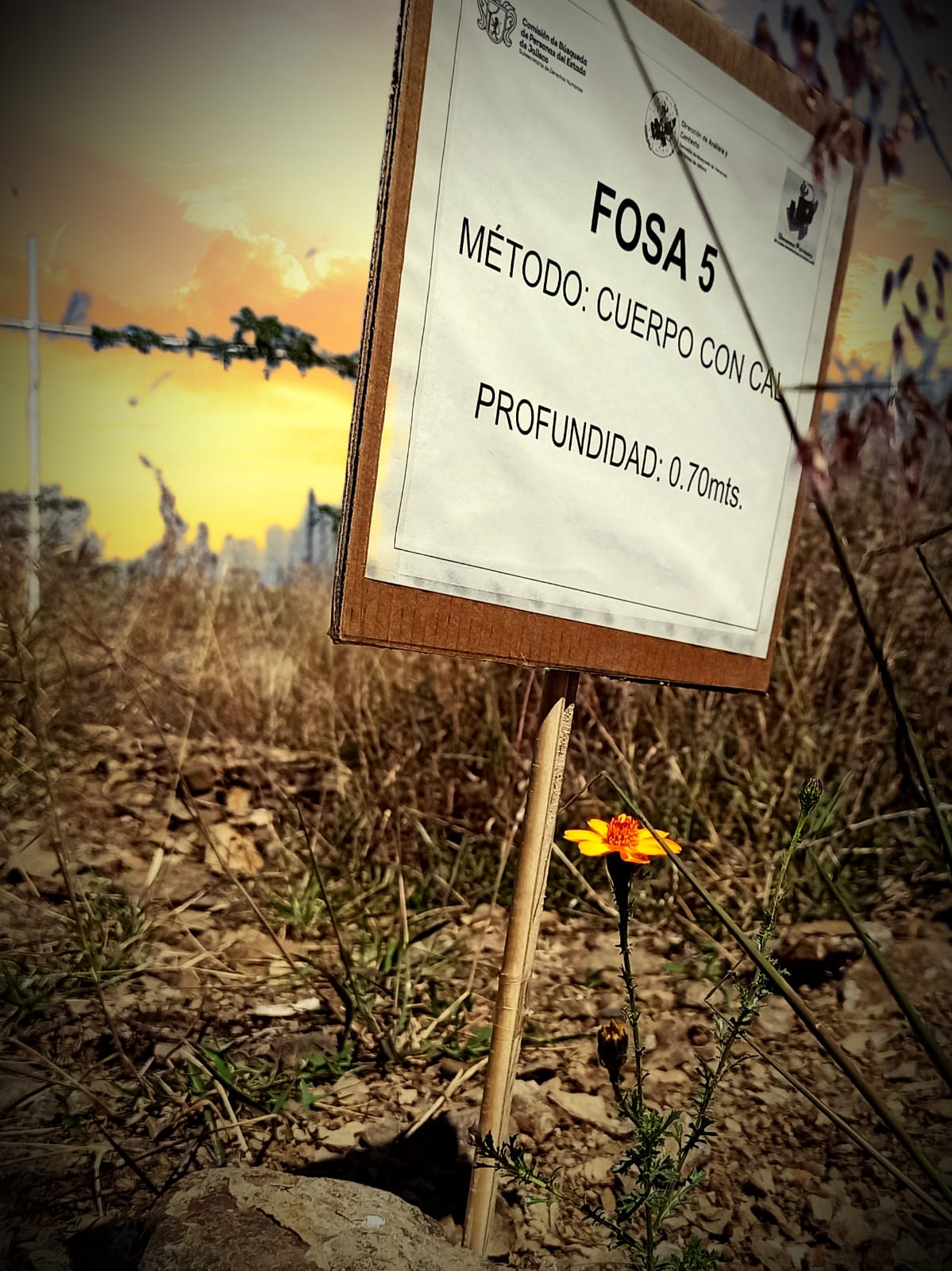
.jpeg?raw=true)




The Role of Buscadoras
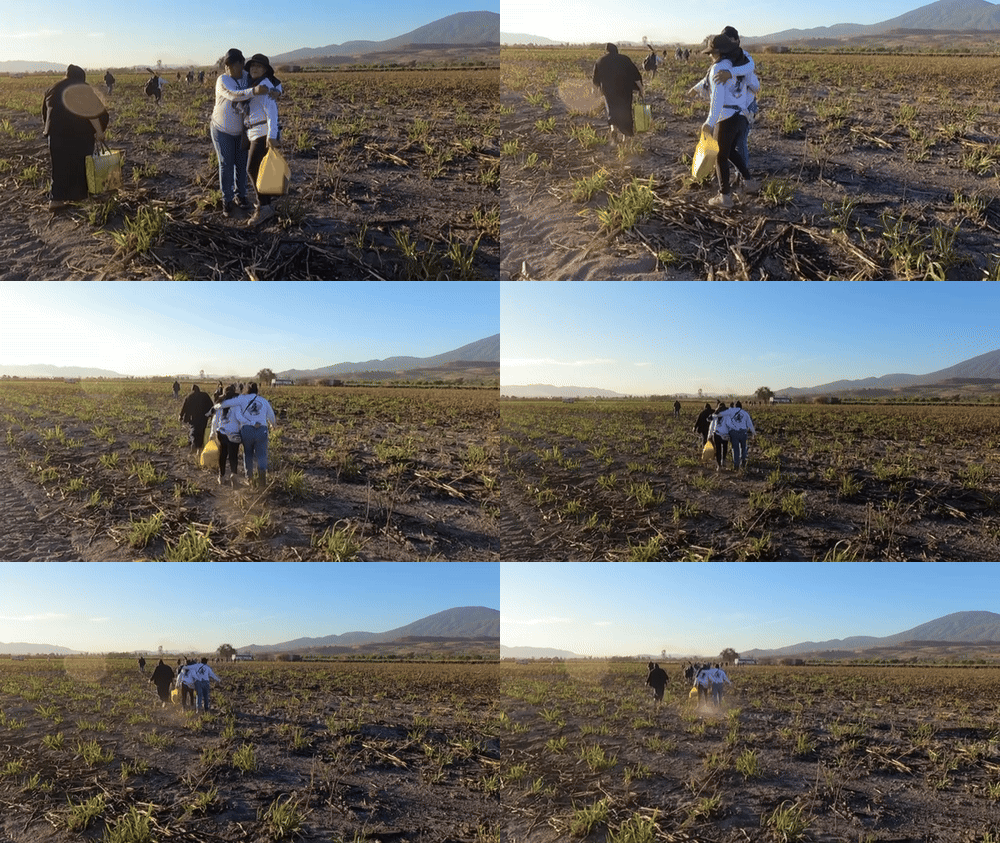
Women-led collectives are at the heart of FOUND's work. They have reshaped the national conversation on disappearance and justice. Their search practices, born from lived experience, are vital forensic knowledge. Alongside them, FOUND listens, learns, and incorporates their methods into our technological efforts.

The knowledge was already there.
For years, searching mothers have walked hills, ranches, abandoned houses and countless roads across Mexico. They learned to read the earth with a precision no book or scientist taught them: that disturbed soil looks different, that certain flowers bloom where or when they shouldn't, that vegetation changes colour where the ground holds extra nutrients as a result of the presence of buried bodies. This is, in effect, forensic knowledge; a practice of citizen science. FOUND begins by listening, learning, and building the place where this knowledge can sit at the same table as science, context analysis, and the institutions responsible for the search.
When families speak, they speak in the present tense. "He is a son." "She is a student." The verb stays in present tense. There is an ethic in that grammar — and we have learned it from them, and made it our own.
Our experimental sites were not built from institutional data or scientific evidence alone. Families described that when large amounts of soil are moved to install electrical-tower bases, clandestine graves can appear in that disturbed ground. So we built a site beside electrical towers to replicate exactly that condition — and to test how each instrument behaves where the problem actually occurs. The methods adapt to each place; the principle of coproduction with families does not.
Four ways of seeing the territory
FOUND is the integration of four ways of observing the land. The work is to hold the conversation between them — so that, together, they lead to better-equipped and better-informed search.
Institutional Partnerships


.png)












Follow Our Journey
Our latest findings, community stories, and collaborations